Maximize Performance: Leading Data Center Facility Operations Services for Optimal Performance
Enhancing productivity in data centers is crucial for organizations looking to improve performance. Top Data Center Infrastructure Management (DCIM) services supply essential instruments for continuous monitoring and analytics. Solutions from ServiceNow, Sunbird, Schneider Electric, and Nlyte emerge as leaders in this sector. These services not only monitor assets but also refine resource management. Understanding how to identify the right DCIM solution can produce significant gains. What criteria should organizations review to make an educated decision?
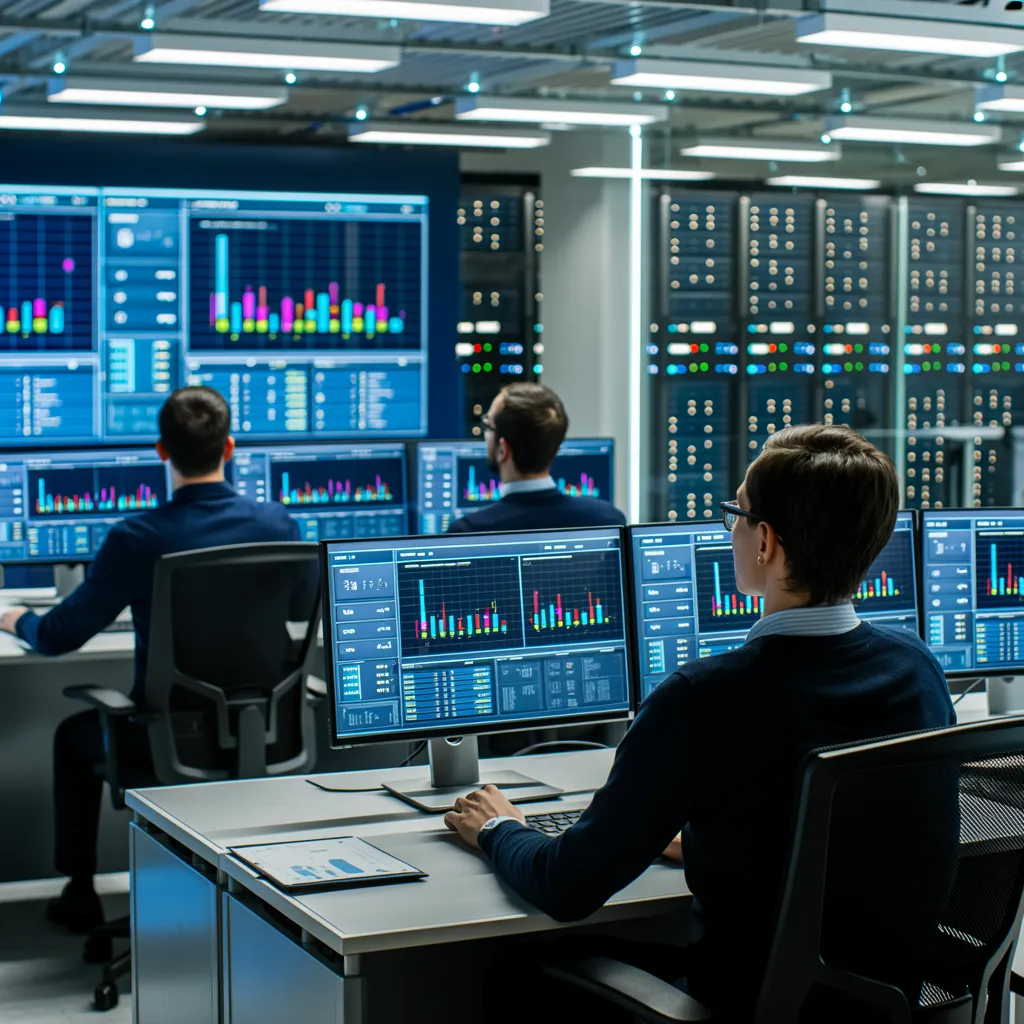
Leading DCIM Services for 2023
As organizations more and more depend on data centers to facilitate their business activities, determining the best Data Center Infrastructure Management (DCIM) solutions for 2023 is vital. Leading DCIM services offer comprehensive offerings intended to improve resource management, improve operational efficiency, and ensure robust monitoring capabilities. Notable players in the market include ServiceNow, known for its integration capabilities, and Sunbird, which excels in real-time visualization and reporting. Additionally, Schneider Electric provides a powerful platform for energy management and asset tracking.
Another key competitor, Nlyte, specializes in enhancing data center efficiency through sophisticated analytics. These solutions not only enable better strategic choices but also assist with forecasting upcoming needs. As data demands continue to grow, selecting a DCIM service that provides flexibility and adaptability is essential. Ultimately, organizations must evaluate their particular requirements to select the most suitable DCIM service, guaranteeing optimal performance and dependability in their data management strategies.
Grasping server facility Infrastructure Management (DCIM)
Data Center Infrastructure Management (DCIM) includes a collection of instruments and methodologies designed to monitor, manage, and optimize data center resources. By combining IT and facility management, DCIM delivers comprehensive visibility into the performance and utilization find out about this of critical assets. This approach enables immediate information gathering, enabling operators to take knowledge-based actions regarding power usage, cooling efficiency, and space utilization.
DCIM systems commonly feature capabilities such as asset tracking, demand forecasting, and environmental monitoring, which work together to enhance operational efficiency. They give data center managers the ability to spot bottlenecks, refine operations, and cut operational costs. Moreover, DCIM enables forward planning for future expansions and supports enterprises satisfy regulatory standards. Through implementing effective DCIM practices, data centers can realize increased stability, improved sustainability, and enhanced system efficiency, in turn contributing to better customer service in a dynamic digital landscape.
Essential Characteristics for Choosing Reliable DCIM Services
Identifying effective Data Center Infrastructure Management (DCIM) services demands thorough evaluation of essential features that enhance performance and resource management. Important attributes include immediate monitoring capabilities, allowing instant insight into power usage and climate parameters. Connectivity with existing infrastructure is also essential, as seamless data exchange fosters a unified strategy to information handling.
Scalability represents a key element, allowing organizations to adapt as their infrastructure transforms and expands. Advanced analytics can deliver predictive insights, supporting strategic planning and minimizing downtime. User-friendly interfaces improve accessibility for various stakeholders, while strong protective protocols protect sensitive data.
Finally, personalization features guarantee that DCIM services can be adapted to meet specific organizational needs. By concentrating on these essential features, companies can choose DCIM services that not only enhance efficiency but also support sustained growth and business excellence.
Identifying the Most Appropriate DCIM Solution Created to meet Your Requirements?
In what way can an business determine the best DCIM solution tailored to its particular needs? The selection process starts off with a thorough assessment of existing infrastructure and procedural requirements. Organizations should define targeted goals, such as improving uptime, enhancing resource consumption, or optimizing capacity planning. Additionally, considering scalable capacity is essential; a solution must evolve to future growth and emerging advancements.
Following that, businesses must consider integration capabilities. The ideal DCIM solution should work seamlessly with existing tools and platforms. User-friendliness also matters significantly; clear interfaces facilitate user implementation and operational efficiency.
Furthermore, organizations should investigate vendor support and community engagement, as continuous support and resources can be substantial. Ultimately, performing a cost-benefit analysis ensures that the chosen solution complies with budget constraints while providing the expected benefits. By adhering to these steps, companies can confidently select a DCIM platform that meets their specific demands and enhances overall performance.
Applying DCIM Applications to Increase Power Optimization
By implementing DCIM tools, you can significantly improve energy efficiency within data centers. Through providing comprehensive analysis into energy usage and heat management, these tools allow operators to spot waste and refine resource allocation. With current data on power consumption, data center managers can take educated choices about server positioning and cooling approaches, making certain that energy is not wasted.
DCIM platforms also support automated oversight of power loads, allowing for dynamic adjustments based on current demand. This versatility can lead to major decreases in energy costs. In addition, intelligent analytics within DCIM tools can pinpoint areas for further improvement, supporting forward-thinking approaches rather than reactive fixes.
Merging these resources into normal activities encourages a culture of continuous improvement, ultimately yielding a more sustainable data center environment. The takeaway is not simply streamlined performance but also a lessened carbon emissions, aligning with broader environmental goals.
Real-Time Analysis : The Cornerstone of DCIM Success
Real-time oversight plays as a key requirement in the success of Data Center Infrastructure Management (DCIM). By offering superior performance measurements, it permits preventative detection and optimization of resource utilization. This functionality at last supports better operational efficiency and trustworthiness within data centers.
Advanced Operational Data
Evaluating data center operational output represents an imperative for maximizing efficiency and sustaining reliability. Superior performance measures present key intelligence regarding diverse operational components, encompassing electrical energy efficiency, cooling system performance, and resource management. Through harnessing dynamic analytics, institutions can evaluate their infrastructure durability and adaptability, permitting strategic choices. Key performance indicators including system accessibility, transmission speed, and data capacity prove instrumental in spotting changes and determining expansion capacity. Concurrently, such metrics strengthen organizational accountability, shaping future direction and investment allocation. Systematic assessment of operational intelligence proves beneficial for comparison against recognized standards and supports a framework promoting ongoing development. Fundamentally, superior operational measures act as a cornerstone for robust data center operations, generating operational excellence and market competitiveness.
Proactive Problem Discovery
Proactive threat detection is fundamentally important in ensuring the robustness of data center operations. By utilizing continuous surveillance mechanisms, data centers can detect emerging threats prior to escalation into severe breakdowns. This system empowers teams to respond with urgency to unexpected behaviors in heat levels, electrical consumption, and machine performance. Active vigilance ensures that any departures from baseline conditions are highlighted right away, making possible for rapid intervention. As a consequence, the overall strength of the technical foundation is amplified, lowering operational gaps and safeguarding service excellence. Moreover, preventive identification facilitates strategic planning regarding service plans and budget distribution, in the long term enhancing infrastructure productivity. Allocating investment in comprehensive tracking systems is essential for ensuring optimal functioning in current complex data environments.
Resource Utilization Enhancement
Skilled oversight of a data center's resources is contingent on the capability to systematically monitor and analyze operational metrics. Real-time observation functions as the base for optimizing resource utilization, enabling data center managers to uncover inefficiencies and provision assets effectively. By leveraging advanced DCIM tools, organizations can procure essential information on power consumption, cooling efficiency, and workload distribution. This data supports for more informed decision-making, ensuring that resources are utilized to their fullest potential. Additionally, real-time analytics facilitate immediate interventions to changing demands, minimizing waste and enhancing overall performance. Ultimately, effective resource utilization optimization not only elevates operational efficiency but also contributes to sustainability goals, making it a crucial component of modern data center management strategies.
Forthcoming Advancements in Data Center Infrastructure Management
As data centers expand to handle mounting demands for performance and output, emerging patterns in Data Center Infrastructure Management (DCIM) are revolutionizing the marketplace. One key trend is the adoption of artificial intelligence (AI) and machine learning, which strengthens predictive analysis for resource planning and power efficiency. These technologies facilitate continuous monitoring and self-correcting responses to potential difficulties, significantly lowering downtime.
In addition, the deployment of edge computing is driving a shift in DCIM methodologies, as firms seek to manipulate data closer to its source for refined speed and efficiency. This requires innovative management tools to maintain performance across geographically-spread environments.
Sustainability continues to be at the vanguard, emphasizing cutting carbon footprints and better resource consumption. In conclusion, the increase of hybrid cloud solutions necessitates more complex DCIM systems that can effortlessly manage both on-premises and cloud resources, ensuring peak operational efficiency.
Popular Questions That Are Asked
How Do I link DCIM With Current Data Center Setup?
To combine DCIM with existing data center systems, one must review current infrastructure, confirm compatibility, establish APIs for data exchange, and carry out thorough testing to validate seamless operation and improved management capabilities across platforms.
What Makes Up the Average Price of Establishing DCIM Solutions?
The expenditure for rolling out DCIM solutions often falls between $20,000 and $150,000, subject to the data center's dimensions, the sophistication of the technical setup, and the demanded features toward optimal management.
What specific regulatory requirements relate to DCIM Services?
Yes, there are specific compliance standards for DCIM services, including ISO 27001 for information security, PCI DSS for payment card industry standards, and multiple environmental guidelines that guide energy efficiency and sustainability practices within data centers.
What Timeline Should I Maintain for Upgrading My DCIM Software?
Updating DCIM software should occur at least once a year, though quarterly updates are suggested to guarantee optimal functionality, improved security, and compliance with changing requirements. Regular assessments help identify when updates are needed for particular business requirements.
Will DCIM Tools Facilitate Disaster Recovery Planning?
DCIM tools provide considerable help in emergency preparedness strategy through real-time monitoring, asset management, and contingency modeling. This guarantees that data centers are well-equipped for unforeseen interruptions, improving overall robustness and recovery strategies.